
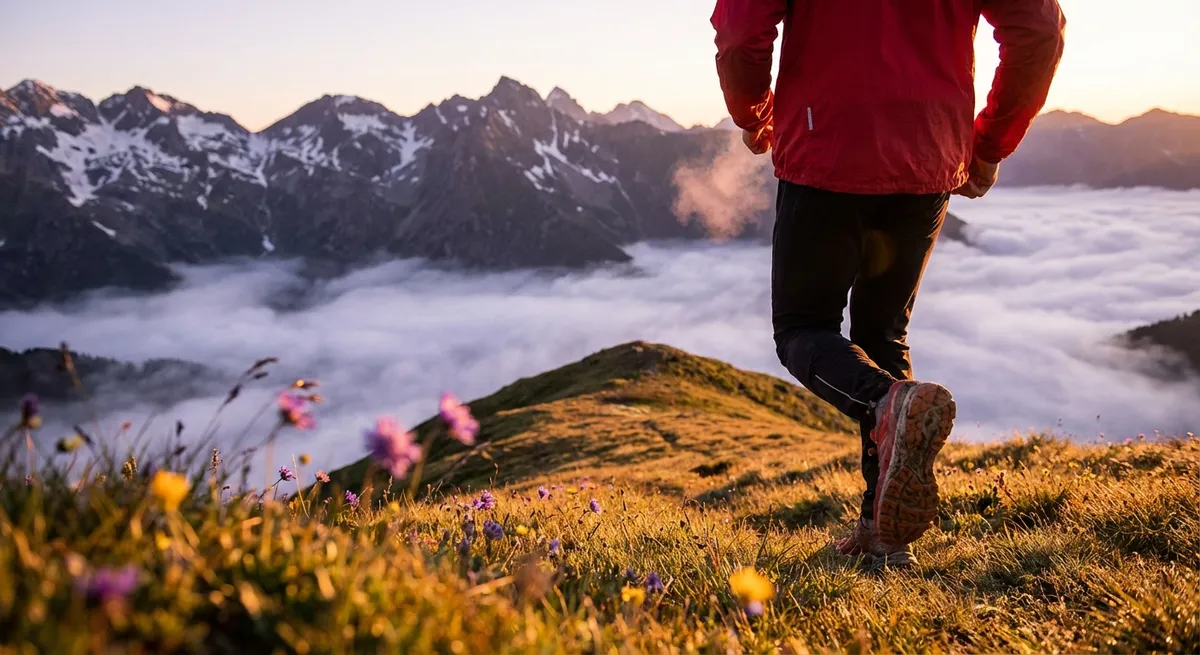
The first time you leave pavement behind, the world narrows to dirt, roots, breath, and heartbeat. Trail running isn’t just road running with rocks—it’s a wild conversation with gravity, weather, and your own limits. This is where lungs burn, shoes muddy, and worries get left somewhere back at the trailhead. Welcome to the rough-cut edge of running, where every turn hides a surprise and every climb tells you exactly who you are.
Why Trails Feel Like Freedom (And How to Start)
Trail running hooks people because it feels like play. The ground is uneven, the turns are unpredictable, and you’re constantly adjusting—dance more than grind. Instead of staring at a watch, you’re reading the land: the angle of the slope, the texture of the soil, the whisper of wind in the trees that hints at incoming weather. Pace matters less than presence.
If you’re coming from road running, forget your usual metrics for a bit. Trails are slower—expect your pace to drop and your effort to rise. Start by choosing beginner‑friendly routes: wide paths, moderate elevation gain, and clear markings. Apps and websites like local park services or trail databases can help you find routes labeled “easy” or “moderate” rather than “technical” or “expert.”
Walk the climbs at first, especially steep ones. There is zero shame in power‑hiking; seasoned ultrarunners do it to conserve energy. Focus on shorter runs that allow you to explore without shredding your legs. As your confidence grows, you can add distance, steeper hills, and more technical terrain.
The goal in the beginning isn’t speed—it’s connection. Connection to the trail, to your body, and to the wild spaces you’re lucky enough to move through.
Gear That Works as Hard as You Do
On trails, gear isn’t about looking fast—it’s about staying upright, safe, and comfortable when the mountains or woods fight back a little.
Trail-specific shoes are your first upgrade. Look for:
- Lugs: Deeper tread (4–6mm or more) to grip mud, loose dirt, and rock.
- Rock plate or reinforced forefoot: Protection from sharp stones.
- Secure upper: A snug midfoot to keep you from sliding on descents.
- Traction pattern: Widely spaced lugs for mud, tighter patterns for mixed terrain and rock.
Pair those shoes with moisture‑wicking socks—merino wool or synthetic blends—to reduce blisters, and avoid cotton at all costs.
For carrying essentials, a running vest or waist belt changes everything. A basic vest with front pockets for soft flasks lets you sip as you climb and keeps your hands free when scrambling. Look for a snug, bounce‑free fit and enough storage for:
- Water (at least 500–1000 ml depending on distance and heat)
- Lightweight shell or windbreaker
- Snacks or gels
- Phone and ID
- Small first‑aid basics (bandages, blister care, pain reliever)
Clothing should be breathable, quick‑drying, and layered. A light, packable rain shell and a thin insulating layer let you adapt as conditions change. If your trails are rocky or brushy, slightly longer shorts or capris can save your skin from scratches.
Optional but game‑changing gear as you level up:
- Trekking poles for sustained climbs and sketchy descents
- Headlamp for early starts or sunset finishes
- GPS watch to track vert, distance, and navigation on unfamiliar routes
Think of your kit as your trail partner: it won’t run the miles for you, but it can make every mile braver.
Moving Smart: Safety Without Killing the Thrill
The wild is beautiful, but it doesn’t care about your schedule or your Strava goals. Respecting that is what keeps an epic adventure from turning into a rescue story.
Before you head out, check three things: weather, daylight, and terrain. Mountain storms, heat waves, and early sunsets can transform a simple outing. If thunder is in the forecast, avoid exposed ridgelines and summits. In hot weather, start early, carry more water than you think you need, and seek shade when you can.
Always tell someone your plan: trailhead, route, and expected return time. It can be as simple as a text with a screenshot of your map. On longer or remote routes, consider downloading offline maps or carrying a small navigation device.
Basic safety kit for most trails:
- ID and phone in a waterproof bag
- Simple first‑aid items (bandage, gauze, blister patch)
- Electrolyte tablets or salty snacks
- Light, bright clothing so you stand out
- Whistle (many running vests have one built in)
- Emergency foil blanket for remote or high‑consequence terrain
Wildlife encounters are rare, but know your area. In bear country, make noise on blind corners, store food properly, and understand local guidelines (some areas recommend or require bear spray). Snakes tend to avoid humans—watch your footing, especially on sunny rocks and narrow singletrack.
Lastly, follow trail etiquette: yield to uphill runners and hikers, step aside for equestrians, and leave no trace—pack out everything, including wrappers and used tissues. The wild places that thrill you deserve your respect in return.
Stories from the Dirt: When the Trail Talks Back
Ask any trail runner about their favorite run, and you’ll hear a story that sounds less like a workout and more like a small myth.
Maybe it’s the runner who set out for a “quick 5K” and found themselves on a ridge they’d only ever seen from the highway. The climb burned, the air thinned, and for a moment they wondered what they were doing up there. Then the trail curved, the trees parted, and the whole valley opened up beneath them—sunlight spilling through clouds like a spotlight. They didn’t beat a PR that day. They came home different instead.
Or the runner who got caught in a surprise storm on a forest trail. The rain turned the path into a ribbon of mud, and every step became a slide-and-catch dance. Shoes caked, socks soaked, thunder grumbling over the hills. Turning back would have been easy. Instead, they slowed down, watched where they planted each foot, and learned how to read the trail in real time. By the time the storm passed, they’d discovered a new kind of confidence: not the kind you get from split times, but the kind born from staying calm when the world gets wild.
Trail running gives you these unscripted moments: a deer flashing across the path at dawn, fog lifting off a river, or that shared nod with another muddy, tired, grinning runner. These are the stories you carry forward—the ones that get you lacing up when the couch is calling.
Leveling Up: Going Farther, Higher, and Wilder
Once the basics feel natural, it’s tempting to chase bigger adventures: longer distances, steeper climbs, or that iconic loop everyone in your local running community talks about.
To level up wisely, add difficulty in layers:
- Elevation first: Try routes with more climbing before you significantly increase distance.
- Technical terrain next: Introduce rockier, rootier trails at shorter distances to build agility.
- Distance last: Once your body and ankles trust the terrain, start stretching the miles.
Incorporate strength work—especially single‑leg exercises, core stability, and hip strength—to handle uneven surfaces. Simple moves like lunges, step‑ups, and calf raises pay massive dividends on technical trails and in preventing injury.
Nutrition becomes more important as your runs get longer. For anything over 60–90 minutes, plan to eat small amounts regularly—energy gels, chews, bars, or real food like dates, nuts, or boiled potatoes with salt. Practice this in training to avoid stomach surprises on big days.
Above all, remember that the mountain doesn’t care about your ego. If weather turns, if your legs are cooked, if your gut says “not today,” turning around is not failure—it’s trail wisdom. The adventure will still be there on another day.
Conclusion
Trail running is less about chasing finish lines and more about chasing horizons. With the right gear, smart safety habits, and a willingness to walk the steep bits and laugh at the mud, you open a door to wild miles that reshape how you see yourself and the world.
The trail won’t always be kind—there will be falls, wrong turns, and days when every climb feels endless. But if you keep showing up, you’ll find something rare out there among the roots and ridges: the version of you who doesn’t quit when the path goes vertical and the air gets thin.
Lace up. Step off the pavement. Let the earth tilt beneath your feet and see where the dirt decides to take you.
Sources
- [American Trail Running Association – Beginner Tips](https://trailrunner.com/training/beginner-trail-running-tips/) – Practical advice on getting started with trail running, terrain, and technique
- [REI Co-op – How to Choose Trail-Running Shoes](https://www.rei.com/learn/expert-advice/trail-running-shoes.html) – Detailed breakdown of trail shoe features, fit, and types of traction
- [National Park Service – Hiking Safety](https://www.nps.gov/subjects/trails/hiking-safety.htm) – Official guidance on backcountry and trail safety, planning, and preparedness
- [Centers for Disease Control and Prevention – Extreme Heat Safety](https://www.cdc.gov/disasters/extremeheat/heattips.html) – Evidence-based recommendations for staying safe during hot-weather activities
- [International Trail Running Association – Trail Running and Environment](https://itra.run/Page/349/Environment.html) – Best practices on environmental respect, trail etiquette, and sustainable trail running