
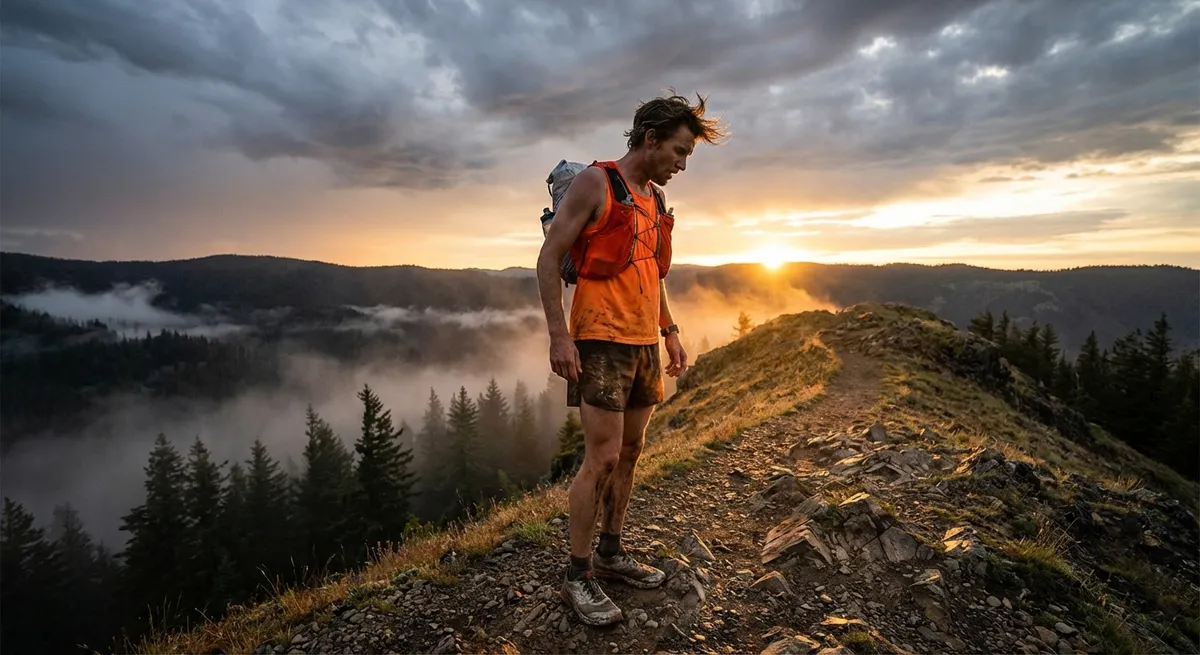
Trail running isn’t just road running with roots. It’s a fast-track into real wilderness—rocky ridgelines, pine-soaked singletrack, mud, grit, and those quiet moments when it’s just you, your breath, and the wind in the trees. This guide will help you step off the pavement and into the wild with practical tips, smart gear choices, safety know-how, and a few stories from the trail to nudge you out the door.
Why Trail Running Feels Like an Adventure Every Time
Road runs can blur together; trails rarely do. On dirt, every turn feels like a decision, every hill a small summit, and every descent its own mini roller coaster. You’re not just chasing splits—you’re navigating rocks, dodging branches, and reading the terrain like a living map.
Trail running forces presence. Look away too long, and a root will remind you where your focus belongs. That demand for attention is part of the magic: the office, to-do lists, and phone notifications fall away because the trail doesn’t leave space for them.
The environment also changes your effort. Soft surfaces are kinder on joints, but climbs and uneven footing demand strength and patience. You’ll hike more, run slower, and yet finish more satisfied. It’s humbling and empowering at the same time—exactly what adventure should feel like.
Most importantly, trail running expands your radius. Suddenly, that viewpoint you used to see from a distant highway pullout becomes your mid-run snack spot. Forests, deserts, and ridgelines stop being scenery and start being your playground.
Essential Trail Gear: From First Shoe to Full Kit
You don’t need a truckload of gear to start trail running, but a few smart choices will make your first adventures safer, more comfortable, and a lot more fun.
1. Trail Running Shoes
Trail-specific shoes are your baseline. Compared to road shoes, they have:
- More aggressive lugs for traction on mud, rock, and loose dirt
- Harder rubber and rock plates to protect from sharp stones
- More secure uppers to keep your foot from sliding on descents
If you’re new, look for a neutral trail shoe with moderate cushioning and a versatile tread (able to handle dry and wet conditions). Visit a local running shop if possible—they can analyze your gait and help you find a good match for your terrain and foot shape.
2. Hydration: Bottles, Belts, and Vests
On trails, water fountains and convenience stores vanish. You carry your lifeline.
Options include:
- Handheld bottles: Great for shorter runs (30–60 minutes).
- Waist belts: Low profile, with space for a soft flask and a couple of gels.
- Hydration vests/packs: Best for longer runs; they distribute weight and give you storage for layers, snacks, and safety gear.
Aim to carry at least 500–750 ml of water on anything over an hour, more in heat or altitude. Add electrolytes when you’ll be out for longer or sweating heavily.
3. Clothing & Layers
Trail conditions flip quickly—shade, wind, and elevation gain all play with temperature. Prioritize:
- Moisture-wicking shirts and socks (wool or synthetic—not cotton)
- Lightweight, packable shell for wind or sudden showers
- Hat and sunglasses for sun-exposed routes
- Thin gloves or a buff for chilly mornings or mountain weather
Choose bright colors if you’re in areas where hunters might be present, and consider long socks or tights for brushy trails.
4. Safety Essentials
Even for “short” runs, build a minimalist kit:
- Small first-aid basics: bandages, blister care, pain reliever
- Whistle (often built into hydration vests)
- Space blanket or ultralight emergency bivy on remote routes
- Headlamp (with charged batteries) if there’s any chance you’ll be out near dusk
- ID, a small amount of cash, and a fully charged phone in a waterproof bag
As your runs get longer or more remote, this kit stops being “extra” and becomes non-negotiable.
Reading the Trail: Technique for Uphill, Downhill & Technical Terrain
Trail running is movement with the landscape instead of against it. Sharpening your technique lets you go farther and stay safer.
Uphills: Power Hiking Is Not Cheating
On steeper climbs, even pros hike. Switch from a shuffling run to a power hike when:
- Your breathing spikes and you can’t speak in short sentences
- Your pace is barely faster than walking, but much more taxing
Lean slightly forward from the ankles, keep steps short, and drive your arms. Place your feet deliberately; think of pushing the ground behind you rather than stomping on top of it.
Downhills: Controlled, Not Cautious
Downhills can be intimidating and exhilarating. To stay balanced:
- Lean slightly forward, not back—leaning back makes you brake and slip
- Keep your knees soft and cadence high with shorter steps
- Use your arms for balance—widen your stance a bit on rocky sections
- Let your eyes scan 2–3 steps ahead, not directly at your feet
Start slowly and build confidence. Safe, smooth descents are a skill developed over many runs, not one.
Technical Terrain: Eyes Up, Mind Calm
On roots, rocks, and loose ground:
- Relax your upper body—tension makes you clumsy
- Pick a general line, then adjust your steps as you go
- Think “light feet”: land softly and be ready to adjust on contact
If fear spikes, slow to a hike, breathe deeply, and reset. You’re out there for the experience, not a finish time.
Safety in the Wild: Weather, Wildlife & Smart Navigation
The trail promises freedom, but it also demands respect. A little planning turns risky surprises into manageable challenges.
Check the Weather—Then Respect It
Always check the forecast before you go, especially in mountains where storms build fast. Watch for:
- Thunderstorms: Avoid ridgelines and exposed summits when storms are possible.
- Extreme heat: Start early, bring more water than you think you need, and slow your pace.
- Cold and wind: Wind chill on peaks can be brutal even in shoulder seasons; pack an extra layer.
If the sky turns dark, winds shift, or thunder booms, adjust your plan. Turning back is not failure; it’s field-tested wisdom.
Know the Route (Better Than Your Phone Does)
Download offline maps or GPX tracks if you’re exploring unfamiliar terrain. Even better, carry:
- A printed map of the area
- Basic understanding of how to orient yourself (road, river, ridge as reference points)
Trail signs can be sparse or confusing, and tree cover or canyons can kill GPS reception. Share your plan and expected return time with someone before you go—and actually follow up when you get back.
Wildlife: Awareness Over Fear
Encounters are rare—and most animals want nothing to do with you—but know your area’s residents:
- In bear country, make noise on blind corners, run in a group when possible, and consider carrying bear spray where recommended.
- In snake territory, watch where you place your feet and hands, especially around rocks and logs; give any snake generous space.
- In tick-heavy regions, wear tall socks or tights, use repellent, and check your body and gear after the run.
Never feed wildlife, and store food securely at your car or camp. Animals that associate trail users with snacks are more likely to become a danger later.
Fueling the Adventure: Nutrition & Hydration on the Trail
Trail miles often take longer than road miles, so “just an hour” can quietly turn into ninety minutes or more. Your fueling should match effort and time.
Hydration Basics
- Sip regularly instead of chugging periodically.
- Aim for roughly 400–800 ml per hour, adjusting for heat, body size, and effort.
- Add electrolytes when sweating heavily or running over an hour to replace sodium and other minerals.
Watch for early signs of dehydration: dry mouth, pounding heart at lower efforts, dizziness, or dark yellow urine post-run.
Trail Snacks that Work
You don’t need fancy nutrition products to get started, but you do need carbs:
- Gels or chews (easy to carry and fast acting)
- Energy bars or nut-butter packets
- Simple options like bananas, dried fruit, or pretzels on longer or supported outings
As a rule, consider 30–60 grams of carbs per hour for runs over 90 minutes, adjusting to what your stomach tolerates. Practice on training runs so race day (or big-adventure day) isn’t an experiment.
Stories from the Dirt: Moments That Change Your Running
Trail running is measured less by PRs and more by stories: the storm you outran, the sunrise you didn’t expect, the stranger who became a trail friend at mile 10.
Picture this: you start before dawn, headlamp carving a narrow tunnel of light through the forest. Your breath is visible, the air cold enough to bite but not enough to burn. As you climb, the ridge opens. You turn off the lamp and the world shifts from black to cobalt to shimmering orange as the sun crests the horizon. For a few long seconds, you’re alone on a quiet spine of earth, high above your everyday life, watching clouds catch fire. That memory lasts far longer than any finish-line photo.
Or the time you misjudged a loop distance. You thought it was 8 miles; it turned out to be 11. The last three are a march of willpower: you’re low on water, legs heavy, and frustration bubbling. But you keep moving, step by step, bargaining with yourself at each bend. When you finally see the trailhead, the relief is electric. That day teaches you more about preparation—and your resilience—than any easy run ever could.
Trails hand you these stories when you show up consistently. Some are quiet moments of peace; others are chaotic mud-fests, wind battles, or wildflower symphonies. All of them change how you see your limits.
Getting Started: Your First 4 Weeks of Trail Running
You don’t need to be “in shape” first; trail running can build your shape. Use this simple framework to ease in:
- Week 1–2:
- 2 trail sessions per week.
- 30–45 minutes each, mostly easy effort.
- Hike the steeper hills, run the flats and gentle downs.
- Week 3–4:
- 2–3 trail sessions per week.
- One run up to 60 minutes, the others 30–45 minutes.
- Add short “pickups” on gentle uphills (30–60 seconds slightly harder, full recovery).
Focus on: staying upright, learning the terrain, finishing each run feeling like you could do more. Speed can come later; curiosity and consistency come first.
Conclusion
Trail running is an invitation: to get dirty, to get lost in the good way, and to find new edges of your comfort zone. With the right shoes, a bit of safety planning, and a willingness to hike the hills and laugh at the stumbles, you can turn ordinary runs into small expeditions.
Start with a local loop. Feel the crunch of dirt underfoot, listen to the wind in the trees, watch the way your worries shrink with each mile. The trail doesn’t care how fast you go or how far you’ve run before. It just asks you to show up, breathe deep, and keep moving forward.
The wild miles are waiting.
Sources
- American Trail Running Association – Beginner Tips - Practical guidance for new trail runners, including technique and planning basics
- REI Co-op Expert Advice – Trail Running Basics - Comprehensive overview of gear, safety, and skills for trail running
- U.S. National Park Service – Hiking Safety - Official safety recommendations relevant to trail travel in parks and wild areas
- Mayo Clinic – Dehydration - Medical information on dehydration signs, risks, and prevention
- Centers for Disease Control and Prevention – Ticks and Tickborne Diseases - Authoritative guidance on tick prevention and checks after outdoor activity