
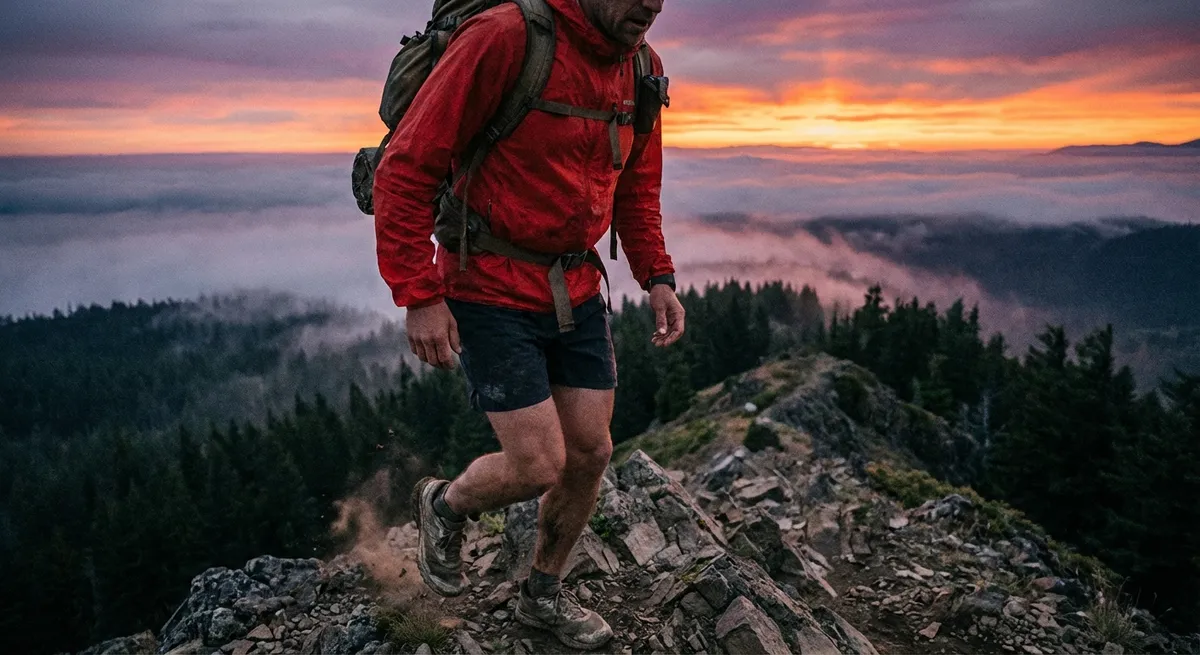
Trail running is what happens when your workout turns into a mini–expedition. Dirt under your shoes, wind in the pines, the crunch of gravel on a lonely ridgeline—this is where running becomes an adventure, not a chore. Whether you’re chasing sunrise on your local hill or plotting a weekend mountain mission, a bit of knowledge (and the right gear) turns “I hope I survive this” into “I can’t wait to do that again.”
This guide dives into practical outdoor tips, dialed-in gear recommendations, safety strategies, and a few inspiring trail stories to fuel your next run off the beaten path.
Why Trails Beat Treadmills (Almost) Every Time
Running on trails wakes up muscles, instincts, and senses that pavement never touches. Uneven ground forces your body to adapt with every step—engaging stabilizing muscles in your ankles, hips, and core. Over time, this can build strength and resilience, often with less hammering impact than pounding cement.
Trails also slow you down in the best possible way. Roots, rocks, climbs, and descents demand focus, turning your run into a moving meditation. You’re not chasing split times; you’re responding to terrain, weather, and your own energy levels. That dynamic effort makes trail running an excellent builder of aerobic capacity without the same repetitive strain of flat-road speedwork.
Mentally, the effect can be powerful. The combination of nature, challenge, and solitude helps strip away daily noise. Runners often report reduced stress, better mood, and a sense of agency that carries into the rest of their lives. Out here, your biggest questions are simple: Which way does the trail turn? Do I have enough water? Can I make it up this climb? In answering them, you quietly build confidence that lingers long after the mud dries.
Essential Gear: Build a Trail Kit You Can Trust
You don’t need a gear closet that looks like an outdoor shop to start trail running, but the right basics make the adventure safer and more fun. Think of gear as your silent partner: you barely notice it when it works, and really miss it when it doesn’t.
1. Trail Shoes: Your #1 Investment
Road shoes can handle smooth dirt paths, but once rocks, mud, and steep grades enter the picture, trail-specific shoes become essential.
Look for:
- Aggressive lugs: Deeper tread for grip on wet roots, loose gravel, and mud.
- Rock plate or protective midsole: Shields your feet from sharp stones.
- Secure fit: Snug in the midfoot and heel, with enough toe room for descents.
- Appropriate stack height: Higher cushioning is comfortable but can feel less stable; lower stack offers better ground feel but less protection.
Try shoes later in the day (when your feet are slightly swollen) and test them on an incline if possible. A minor rub in the store can become a blister at mile eight.
2. Hydration: Don’t Underestimate Water
On trails, fountains are rare and stores are nonexistent. You are your own aid station.
Options:
- Handheld flask: Good for short runs (up to ~1–1.5 hours).
- Hydration belt: Balances weight at the hips; can feel bouncy if not fitted well.
- Hydration vest/pack: Best for longer runs; carries water, food, a light layer, and safety essentials.
Estimate at least 500–750 ml of water per hour in warm conditions, more at altitude or in heat. Electrolyte tablets or drink mixes help stave off cramps and maintain performance on longer outings.
3. Clothing: Dress for Effort, Not Idling
You’ll warm up fast, even on cold days.
Guidelines:
- Layering: Technical base layer + light shell you can stow in a pack.
- Avoid cotton: It soaks, chills, and chafes. Look for synthetic or merino fabric.
- Socks: Trail-specific socks help with moisture control and blister prevention; consider slightly higher cuffs to block debris.
4. Small but Critical Extras
These often separate a smooth adventure from a rescue story:
- Lightweight emergency blanket or bivy
- Compact first-aid bandage or blister kit
- Whistle (often built into pack sternum straps)
- Small headlamp, even if you think you’ll be back before dark
- Map or GPS device (phone is okay, but don’t rely on signal alone)
- Soft flask of extra calories (gels, chews, or real food like nuts or bars)
Gear should match your environment: deserts demand more water and sun protection; remote forests demand better navigation and insulation; mountainous routes call for weather layers even in summer.
Safety First: How to Explore Hard Without Playing Reckless
Adventure is fun. Unplanned epics are not. A simple safety routine lets you push your limits without gambling your well-being.
1. The “Tell Someone” Rule
Before every trail run, share:
- Start point and trail name
- Planned route and distance
- Estimated time of return
- What you’re wearing and carrying
A quick message to a friend or a note on your fridge is a tiny habit that can make a big difference if something goes wrong.
2. Know the Terrain and Conditions
Trail maps and apps (like Gaia GPS, AllTrails, or local trail association websites) are useful—but verify with current info from park rangers or local running clubs when possible.
Check:
- Weather: Storms, heat waves, and high winds can turn a normal run hazardous.
- Trail conditions: Snow, ice, downed trees, or flooding can slow your pace far more than you expect.
- Daylight: Have a hard turnaround time so you’re not racing the sunset.
Build in a buffer: if you think a loop will take 2 hours, prepare for 3.
3. Wildlife and Environmental Awareness
Different regions have different risks—snakes, bears, mountain lions, moose, or even aggressive insects.
Basic principles:
- Stay alert: avoid blasting music; if you wear headphones, keep volume low or use one ear only.
- Make noise in dense vegetation or limited-visibility areas.
- Learn local wildlife behavior and recommended response (back away? get big? play dead?).
- Store food wrappers and scraps in your pack; don’t feed animals or leave crumbs.
- Stay on established trails to prevent erosion and protect fragile ecosystems.
- Follow Leave No Trace principles: pack it in, pack it out.
Also respect the environment:
4. Pacing and Ego Management
Trails are slower than roads. A 5:00 per km road runner might average 6:00–7:00 per km (or slower) on technical terrain—and that’s normal.
To stay safe:
- Hike the steepest climbs; power hiking conserves energy and maintains an efficient effort.
- Walk tricky descents or rock gardens; falling at speed on jagged rock is not worth a few seconds saved.
- Use breathing and perceived exertion instead of pace alone to guide your effort.
Your goal: finish tired and happy, not destroyed and limping.
Trail Craft: Practical Skills for Confident Running
Once the basics are covered, a few specific trail skills will elevate both your safety and your fun.
1. Downhill Technique
Downhills can be exhilarating or terrifying. Good form reduces impact and increases control.
Tips:
- Shorten your stride; quicker, lighter steps give you more control.
- Keep your center of gravity slightly forward—not leaning back, which overloads your quads and strains knees.
- Look a few steps ahead, not at your feet; your body will follow your eyes.
- Use your arms wider than on the road for balance, especially on technical sections.
Practice on gentle slopes first; confidence builds slowly but steadily.
2. Uphill Strategy
Even elite trail runners hike steep grades. It’s a strength, not a weakness.
- Switch to a power hike when your breathing becomes too ragged.
- Keep steps short and quick; lean slightly into the hill from your ankles, not your waist.
- Hands-on-knees technique can help on very steep climbs; it supports your torso and recruits upper body.
Think of climbs as investments: steady, sustainable effort sets you up to run the rest of the route smoothly.
3. Navigation on the Move
Your goal is to spend more time running and less time wondering where the trail went.
- Learn common trail markers: blazes on trees, cairns (rock piles), and signs at junctions.
- Zoom in on your map or app before the run and note major waypoints: rivers, ridges, saddles, roads.
- If the trail becomes unclear, stop moving before you’re truly lost. Backtrack to the last obvious marker and reassess.
Carrying a paper map and knowing how to interpret it can be a game-changer in areas where batteries die and signals vanish.
Fueling Adventures: Eating and Drinking on the Dirt
Trail running burns energy fast, and the terrain often keeps you out longer than you expect. Proper fueling can be the difference between finishing strong and staggering home.
Before the run (1–3 hours):
- Light, carb-focused meal or snack: toast with nut butter, oatmeal, banana, or rice and eggs.
- Sip water; you don’t need to chug a liter right before you start.
- For runs over 60–90 minutes, aim for 30–60 grams of carbohydrates per hour through gels, chews, fruit, or snack foods.
- Sip water regularly rather than waiting until you’re thirsty; add electrolytes on hot or long days.
- Combine carbs and protein (3:1 or 4:1 ratio) to replenish glycogen and support muscle repair.
- Continue to hydrate, especially if you were sweating heavily or running at altitude.
During the run:
After the run (within ~1 hour):
Experiment on smaller outings before relying on any fuel during a big adventure. Your stomach is as individual as your stride.
Stories from the Dirt: Moments That Make It All Worth It
Every trail runner collects a mental scrapbook of scenes and moments that keep them coming back. Here are a few archetypal stories you might recognize—or soon live yourself.
The Ridge-Top Sunrise
You set the alarm for “audaciously early,” questioning your sanity in the dark kitchen. But an hour later, you’re switchbacking through silent forest, your headlamp cutting a small world of light among the trees. As you crest the final ridge, the sky ignites—orange, purple, and gold pouring over distant peaks. Wind tugs at your jacket while you stand alone with the day’s first light.
The run back feels like a bonus. You didn’t just log miles; you stole a sunrise while the world slept.
The “Lost but Learning” Loop
You meant to do a neat 10 km loop. A missed turn and an unmarked junction deliver you onto an unfamiliar path. Mild anxiety prickles, but you pull out your map, check the contour lines, and follow a creek downhill. Your rough plan: hit the main river and follow it out.
An extra 30 minutes later, you emerge right near your car, more relieved than you admit. You weren’t truly lost—you were problem-solving. That quiet confidence stays with you the next time the trail throws a curveball.
The Storm Escape
Clouds build faster than forecast. A distant rumble becomes a not-so-distant crack. You tighten your pack straps and lengthen your stride, descending from exposed ridgeline to the safety of the trees. The first heavy drops hit as you reach a junction you studied earlier; you know exactly which way leads quickest to the trailhead.
You arrive soaked but grinning. Your preparation didn’t just save the run—it turned it into a story you’ll tell for weeks.
These aren’t epic race recaps or social media highlight reels. They’re everyday adventures, discovered one muddy, rocky, joyful step at a time.
Conclusion
Trail running is an invitation: to explore further, feel deeper, and trust yourself more. With the right gear, thoughtful safety habits, and a few core skills, every outing can become a small expedition—wild enough to feel thrilling, grounded enough to be safe.
Start with a local park loop. Progress to longer ridges and forest networks. String together peaks and valleys, sunrises and storm dodges, shared miles and solo missions. The trails don’t care about your pace, your watch, or your follower count. They care that you show up, look around, and keep moving.
Lace up, step off the pavement, and let the wild miles begin.
Sources
- American Trail Running Association – Trail Running 101 – Overview of trail running basics, gear, and best practices.
- REI Co-op – How to Trail Run – Detailed guidance on trail technique, safety, and equipment choices.
- Leave No Trace Center for Outdoor Ethics – The official seven principles for minimizing impact while recreating outdoors.
- National Park Service – Hiking Safety – Government guidelines on planning, safety, and preparedness on trails.
- Harvard Health Publishing – Exercise and Mental Health – Research-backed discussion of how physical activity, including outdoor exercise, benefits mental well-being.