
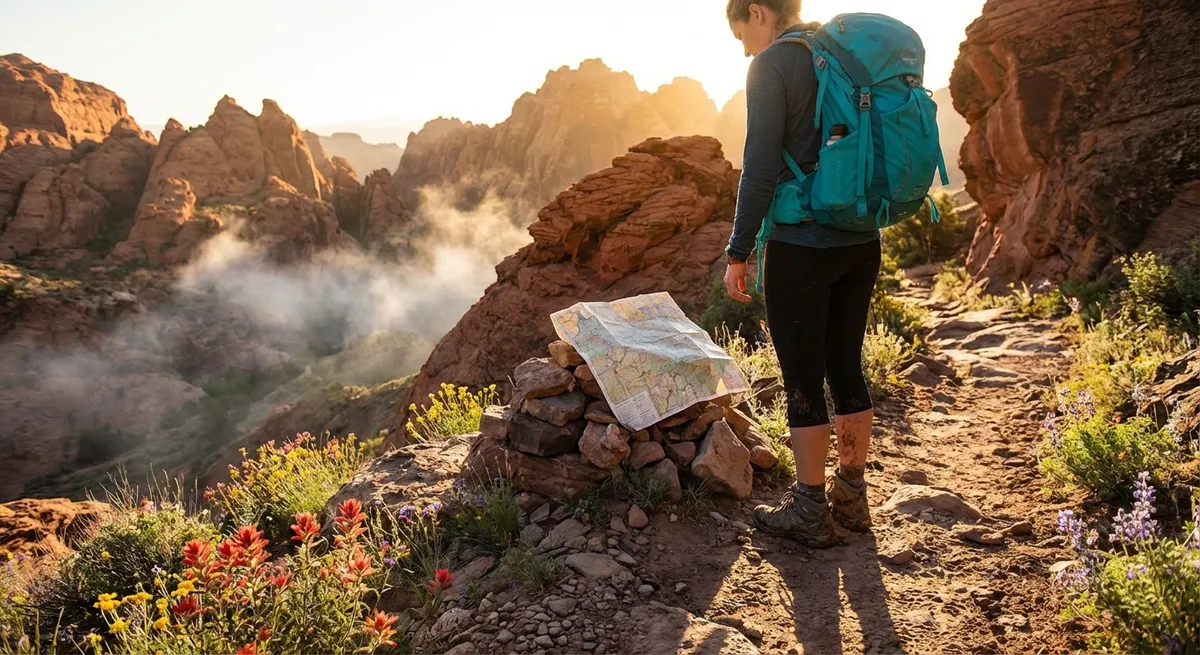
There’s a moment on every great trail when the world goes silent—just your breath, your boots, and the wild all around you. That’s the heartbeat of TrailNux, and this guide is built to get you there: prepared, confident, and hungry for more miles. Whether you’re chasing your first summit or planning a multi-day epic, this is your trail playbook—packed with practical tips, gear recommendations, and real-world stories to light a fire under your next adventure.
Before the Trailhead: Planning Like a Pro Adventurer
Every unforgettable hike starts days before your first step on the dirt. Smart planning isn’t about being paranoid—it’s about buying yourself freedom to roam once you’re out there.
Begin by choosing a trail that matches your current fitness and experience. Dig into distance, total elevation gain, and terrain type (rocky, exposed, forested, scrambling). A 6-mile hike with 2,500 ft of gain can be far more brutal than a flat 10-miler. Check recent trip reports and official park updates for trail closures, weather alerts, and conditions like snow, flooding, or fire restrictions.
Weather is your invisible teammate or your worst enemy. Look at both hourly and extended forecasts for the specific mountain or area—not just the nearest city. Mountain weather can turn a warm sunny afternoon into a hypothermic scramble in under an hour. Note sunrise and sunset times so you can time your hike and avoid unintended night hiking.
Finally, tell a real human your plan: trail name, route, group members, vehicle description, and your expected return time. Text them a pin of the trailhead. This tiny step has saved countless lives, and it lets you push deeper into the wild with a lot more confidence.
The Core Kit: Gear That Actually Matters
Hiking gear doesn’t need to be complicated, but certain items are non-negotiable if you want your adventure to stay fun instead of becoming a survival story. Think in terms of systems: navigation, shelter, warmth, hydration, nutrition, and safety.
Start with footwear. For most day hikes and well-maintained trails, lightweight hiking shoes or trail runners are perfect—fast, breathable, and grippy. For rocky, steep, or muddy routes (or if you carry a heavy pack), mid or high-cut hiking boots give added ankle support and durability. Invest in moisture-wicking socks (merino wool is gold) and bring an extra pair; dry feet are happy feet.
Clothing should follow the classic layering system: a moisture-wicking base layer, an insulating mid-layer (like a fleece or light puffy), and a windproof, waterproof shell. Avoid cotton; it holds moisture and chills you fast. Even in summer, pack a light jacket and a beanie—weather in the backcountry has zero respect for forecasts.
In your pack, carry the “essentials” every time, even for short hikes:
- Map + compass or GPS device/app (and a power bank if you rely on your phone)
- Headlamp with fresh batteries
- First-aid kit with blister care
- Knife or multi-tool
- Fire source (lighter + backup matches in a dry bag)
- Emergency shelter (foil blanket or ultralight bivy)
- Water + a way to treat more (filter, purifier, or tablets)
- High-energy snacks (nuts, bars, dried fruit, jerky)
You don’t need the most expensive gear on the market, but you do want reliable brands with solid reputations for hiking footwear, packs, and rain gear. Try gear on in person when you can, walk around with a weighted pack, and break in new boots on short local trails before committing them to a big mission.
Hydration, Fuel, and Trail Nutrition That Keeps You Moving
If you’ve ever hit the wall halfway up a climb, you know that food and water can make or break your hike. Your body is an engine; treat it like one you actually care about.
A good baseline is about half a liter of water per hour of moderate hiking, but heat, altitude, and effort can push that much higher. Carry more than you think you need and know where water sources are along your route. Use a hydration bladder for easy sipping on the move, plus a backup bottle in case the bladder leaks or ruptures.
Electrolytes matter more than most people think. When you sweat out salts and only replace water, you’re inviting headaches, cramps, and fatigue. Drop an electrolyte tablet into one bottle or carry lightly salted snacks to stay ahead of it.
For food, go for calorie-dense, trail-friendly options you actually like to eat: nut butters, trail mix, jerky, tortillas with cheese, energy bars, and dried fruits. Aim to eat small amounts often—every 60–90 minutes—rather than waiting until you’re starving. On tough climbs, your future self will be grateful for that handful of almonds and a quick bar halfway up.
Safety First: Navigating Risk Without Killing the Adventure
Adventure doesn’t mean recklessness; it means understanding the risks and moving through them intelligently. The wild doesn’t care how fit or experienced you are, so build habits that stack the odds in your favor.
Navigation is your first line of safety. Don’t rely on a single app or your phone’s battery. Download offline maps, carry a paper map and compass, and learn the basics of orienting. Pay attention as you go—memorable landmarks, trail junctions, creek crossings—so you can retrace your steps if needed.
In wildlife country, know what actually lives there and how to behave. In bear territory, hike in groups when possible, make noise on blind corners, store food properly, and know how to use bear spray before you need it. In snake or tick country, watch where you step and sit, and check your body and clothes after your hike.
Weather is the other big wild card. At the first sign of dark thunderheads on a ridge, strong gusts, or rapidly dropping temperatures, reassess immediately. Above treeline or on exposed ridges, lightning is a serious hazard; get lower and off high points. It’s never “just a little storm” when you’re the tallest thing on the mountain.
Most importantly, know when to turn around. The summit is optional; getting home isn’t. It’s far more hardcore to bail early and live to hike another day than to push past the point of safety because your pride doesn’t want to back down.
Trail Stories: Moments That Make the Miles Worth It
The best hiking lessons are written in dirt, sweat, and sometimes a little fear. A few real-world trail stories can show you how preparation, mindset, and adaptability play out when things get real.
On a late-summer sunrise hike, two friends headed up a popular peak under clear skies and warm temps. One checked the hourly forecast and packed a light puffy and rain shell; the other rolled with a T-shirt and optimism. By noon, a surprise cold front rolled in, dropping temps and hammering the summit with wind and rain. The underdressed hiker started shivering hard—classic early hypothermia signs. That extra layer and shared emergency blanket turned a potential rescue situation into a cautious, controlled descent. Lesson: your “just in case” layers are there for exactly this scenario.
On a desert trail in the Southwest, a solo hiker misjudged water needs and ran nearly dry halfway through a loop. Temperatures soared over 95°F, and every mile felt longer than the last. But before leaving, they’d told a friend their exact route and return time. When they didn’t check in as planned, the friend called rangers, who intersected the loop and located the hiker not long after they’d run completely out of water. They walked out tired but safe. Lesson: communication isn’t overkill—it’s part of your kit.
Then there are the good surprises: that time a hiker pushed themselves to start at 3:30 a.m. for a volcano summit, grumbling under a star-thick sky. Somewhere between the headlamp-lit switchbacks and the faint blush of first light, the world opened up—clouds below, orange fire on the horizon, and absolute silence. All the early alarms and training miles suddenly made perfect sense. Lesson: discomfort is the entry fee to the most unforgettable views.
Leave No Trace: Protecting the Places That Change You
Every trail that humbles you, heals you, or cracks your heart wide open is also home to something wilder and older than you are. Hiking isn’t just about consuming beautiful views; it’s about guarding them.
Follow Leave No Trace principles as if they’re part of your personal code. Stay on established trails to prevent erosion and protect fragile plants. Pack out everything—snack wrappers, food scraps, tissues, even biodegradable items. Wildlife that learns to see humans as food sources often ends up being relocated or killed; the “cute” chipmunk begging for crumbs can be the start of a serious problem.
Camp and rest at least 200 feet from lakes and streams when possible, and be thoughtful about noise—the quiet is part of what other hikers came for. If you’re in a group, set the tone: call out micro-trash, model good behavior, and correct bad habits kindly but clearly.
The wilder and more remote the place, the more impact a single person can have. When you walk out leaving no trace, you’re not just following rules—you’re helping ensure that someone else’s life gets changed on that same trail ten years from now.
Conclusion
The trail will always ask something of you—patience, grit, humility, sometimes a complete rerouting of your plans. But with the right preparation, smart gear choices, and a safety-first mindset, you can lean into that uncertainty instead of fearing it. Each hike becomes a chapter in a bigger story: of a human who chose to step outside the predictable and into the wild.
Pack your essentials. Respect the land. Listen to your limits—and then train to expand them. The mountains, forests, and deserts aren’t going anywhere, but your chance to move through them with a strong body and a curious heart won’t last forever.
Lace up. The trail is waiting, and your best stories haven’t been written yet.
Sources
- National Park Service – Plan Like a Park Ranger - Official guidance on trip planning, safety, and responsible recreation in U.S. national parks
- REI Co-op – Ten Essentials for Hiking - Detailed breakdown of core safety and survival gear recommended for every hike
- Centers for Disease Control and Prevention – Healthy Hiking - Evidence-based advice on hydration, heat safety, and preventing illness on the trail
- Leave No Trace Center for Outdoor Ethics - Comprehensive overview of the 7 Leave No Trace principles and how to apply them
- American Hiking Society – Trail Safety and Etiquette - Practical tips for staying safe, sharing trails, and minimizing impact while hiking