
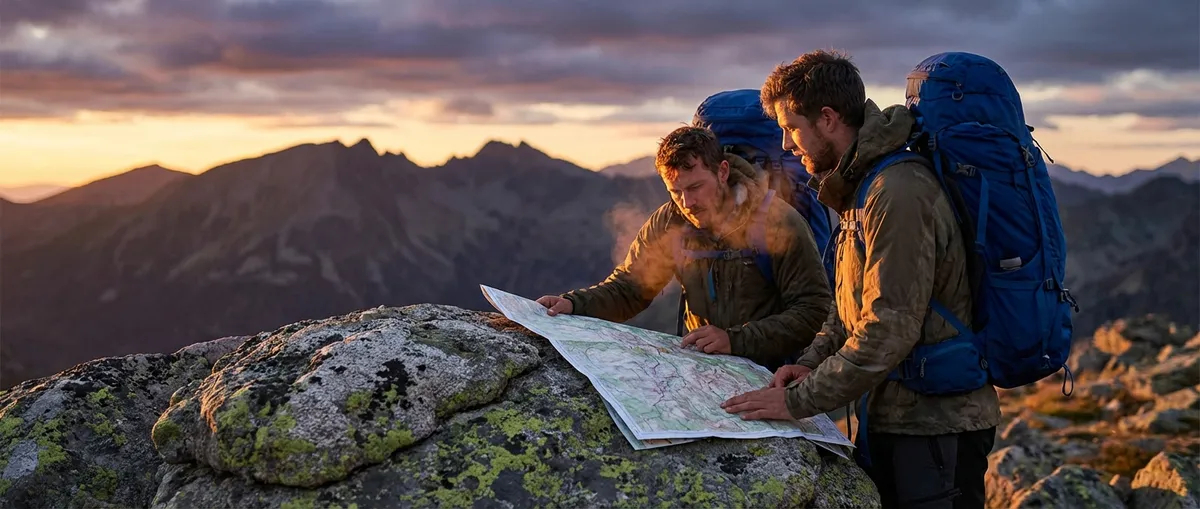
There’s a moment, right as the trail disappears around the next bend, when your heart kicks up—not from the climb, but from the unknown. That’s the feeling TrailNux lives for. The right outdoor gear doesn’t just keep you safe and comfortable; it turns ordinary paths into full-blown adventures. Whether you’re chasing alpine sunrises, threading through mossy forests, or squeezing weekend magic out of a local state park, dialing in your kit can unlock a whole new level of confidence on the trail.
Build Your Adventure Kit: The Big Five Essentials
Think of your gear as your trail tribe: each piece has a role, and together they’ve got your back. Before you obsess over ultralight spreadsheets, lock in these five foundational items.
1. Backpack: Your Mobile Basecamp
A great pack should disappear on your back—no rubbing, no bouncing, no weird pressure points. For day hikes, 18–30L is usually enough for layers, food, water, and safety gear. Look for:
- A supportive hip belt that actually carries weight
- Ventilated back panel to cut down on sweat
- Multiple pockets for organization (hip belt pockets are gold for snacks and chapstick)
- External lash points for trekking poles or a wet rain jacket
Try it on loaded with weight and walk around the store. If anything pinches now, it will scream by mile six.
2. Footwear: Your Trail Engine
Your feet are your only true “must-have” gear. Choose based on terrain and weather:
- Trail runners for well-maintained trails and fast hiking
- Lightweight hiking shoes for mixed terrain and day hikes
- Mid or high boots for rocky routes, wet conditions, or carrying heavier loads
Key features to prioritize: good traction, a snug heel, and enough toe room to avoid downhill toe bang. Break them in gradually—wear them on errands, short walks, then quick hikes—before any big mission.
3. Navigation: More Than Just a Phone
Phones die. Maps don’t. At minimum, carry:
- A paper topographic map of the area
- A compass you know how to use
- A charged phone with offline maps downloaded ahead of time
Navigation skills are gear too—invest an afternoon in learning basic map-and-compass work. It’s like unlocking cheat codes for the wilderness.
4. Hydration and Nutrition: Fuel the Adventure
Plan for at least 0.5–1 liter of water per hour of moderate hiking in mild conditions, more in heat or altitude. Consider:
- A hydration bladder (2–3L) for easy sipping while moving
- A filter or purifier if you’ll be near streams or lakes
- Electrolyte tablets or powders to stave off cramps and fatigue
For food, think slow-burn energy: nuts, trail mix, jerky, nut-butter packets, tortillas, and energy bars. Pack a little extra in case the trail seduces you into going farther.
5. Protection From the Elements
Weather is the plot twist of every trail story. Core pieces:
- Waterproof-breathable shell (with a hood that actually stays up)
- Light synthetic or down insulating layer (down for cold/dry, synthetic for damp climates)
- Sun protection: brimmed hat, sunglasses with UV protection, and mineral or broad-spectrum sunscreen
If your weather app says clear skies, bring a rain shell anyway. Some of the best stories start with, “The forecast said 0% chance…”
Layering Like a Pro: Comfort in Any Conditions
Perfect trail days rarely stay perfect all day. Morning chill, noon sun, ridgeline wind, surprise drizzle—the mountains love costume changes. A smart layering system keeps you comfortable and safe when things swing from warm to wild.
Base Layer: Your Personal Climate Control
This is the fabric sitting right against your skin. Look for:
- Merino wool or synthetic (polyester blends) for moisture-wicking
- Avoid cotton—it holds sweat, stays wet, and can chill you fast
Sleeves rolled, zipper vented, or sleeves down—your base layer is where micro-adjustments start.
Mid Layer: Your Warmth Engine
This is your insulation—what traps heat:
- Fleece jackets for durability and breathability
- Lightweight puffy jackets (down or synthetic) for colder conditions or rest stops
Keep it accessible near the top of your pack. You’ll want it the moment you stop moving on a windy ridge.
Shell Layer: Your Force Field
Your outer layer is all about blocking wind, rain, and snow:
- Soft shell for wind resistance and high activity
- Hardshell rain jacket for storms or exposed alpine travel
Remember, you’re not dressing for sitting on a park bench—you’re dressing for movement. Feeling slightly cool when you first start hiking usually means you’ll be comfortable once your engine warms up.
Small Gear, Big Impact: Underrated Trail Heroes
Some pieces are small enough to forget—until the day you really need them. Toss these into your kit and you’ll feel prepared for that “just in case” moment that almost always comes.
- Headlamp with fresh batteries (or fully charged). Even if you’re “definitely” finishing before dark, sunsets move fast when you’re tired and off-route.
- Trekking poles to reduce knee strain on long downhills and boost stability on loose rock or river crossings.
- First-aid kit with blister care (moleskin or leukotape is worth its weight in gold), pain relief, bandages, and any personal meds.
- Multi-tool or small knife for gear repairs, food prep, or emergencies.
- Emergency shelter: a compact emergency bivy or foil blanket adds almost no weight but huge peace of mind.
- Fire starter: lighter + waterproof matches + a small bit of fire starter in a dry bag.
These aren’t extras—they’re the quiet guardians of a good day out.
Trail Safety: Turning “What If” Into “I’ve Got This”
The most adventurous stories are the ones you live to tell. Smart safety habits don’t kill the vibe; they build the confidence to go further, higher, and wilder.
Plan Like a Pro
Before you step onto dirt:
- Check the weather and trail conditions from reliable sources or ranger stations.
- Study the route, distance, elevation gain, and bailout options.
- Share your plan (trail, direction, expected return time) with a friend or family member.
If you’re heading into remote or sketchy-signal country, consider a satellite messenger or PLB (Personal Locator Beacon). It’s one of the most powerful pieces of safety gear you can own.
Know Your Pace, Respect Your Limits
The mountain doesn’t care how many Strava segments you crushed last weekend. Learn to:
- Start slower than you think you need to
- Take short, regular breaks to snack, sip, and check in with your body
- Turn around if weather turns, a partner struggles, or your gut says “this doesn’t feel right”
Summits are optional. Coming home is mandatory.
Wildlife and Environmental Awareness
- Store food properly—use bear canisters or hangs where required.
- Give animals space; use zoom lenses, not zoomed-in footsteps.
- Stay on durable surfaces to prevent erosion and protect fragile ecosystems.
Every careful step you take today leaves the wild feeling wild for whoever follows.
Stories From the Trail: How Gear Changes the Journey
Gear isn’t just stuff—it’s part of the story.
On a foggy shoulder-season morning in the Smokies, two friends set out for a casual “non-technical” ridge walk. The forecast promised light clouds, but by midday, wind-driven rain was hammering the exposed sections. What could have turned into a miserable retreat became an unforgettable, laughter-filled push to a sheltered gap—because they had proper rain shells, dry mid layers, and a reliable map-and-compass backup when their phones lost signal. The trail didn’t get easier; they got better equipped.
On another weekend, a solo hiker in the Pacific Northwest underestimated a “quick out-and-back” after work. Golden hour stretched into dusk, and mist rolled down from the higher slopes. Thanks to a tiny headlamp and the emergency bivy that lived forgotten at the bottom of their pack, nerves stayed in check. They moved slowly, carefully, and walked out under a canopy of stars instead of stumbling blind through the dark.
These moments are where gear proves its worth—not in the store, but when the landscape throws you a plot twist and you realize: I’m actually ready for this.
Trail-Ready Tips to Elevate Your Next Hike
Before your next adventure, run through this quick checklist to turn a simple outing into a confident mini-expedition:
- Do a five-minute pre-pack check: Navigation, hydration, layers, safety kit, light source.
- Dial in your footwear with proper socks (synthetic or wool), trimmed toenails, and a backup blister plan.
- Pack for the pause, not just the effort: warm layer and wind/rain protection for rest stops or viewpoints.
- Practice a skill each trip—navigation, pacing, setting up an emergency shelter, using your filter. Skills are ultralight and last forever.
- Leave a little wiggle room: extra food, extra water treatment option, extra time. Adventure lives in the margin between schedule and surprise.
Conclusion
The trail doesn’t ask for perfection—only preparation and presence. With a dialed-in kit, smart safety habits, and a willingness to learn from every step, you transform from “someone out for a hike” into a true trail traveler. Your pack becomes a promise: that when the weather shifts, the daylight fades, or the route gets wild, you’re not turning back in fear—you’re leaning in with respect, ready to write the next chapter of your story out there.
Load your pack, lace your boots, and step past the trailhead. The gear is just the beginning. The real adventure starts when the path narrows, the world quiets, and you realize you’re exactly where you’re meant to be—out there, in it, fully alive.
Sources
- National Park Service – Hiking Basics - Covers essential planning, safety, and gear considerations for day hikes in U.S. national parks
- REI Co-op – Hiking Gear Checklist - Comprehensive, practical checklist for day hiking gear and clothing
- Leave No Trace Center for Outdoor Ethics - Explains the 7 Leave No Trace principles for minimizing impact on trails and wild spaces
- American Hiking Society – Hiking Safety - Offers guidance on preparation, navigation, and backcountry decision-making
- CDC – Extreme Heat and Your Health - Provides science-backed advice on hydration and heat safety relevant to warm-weather hiking