
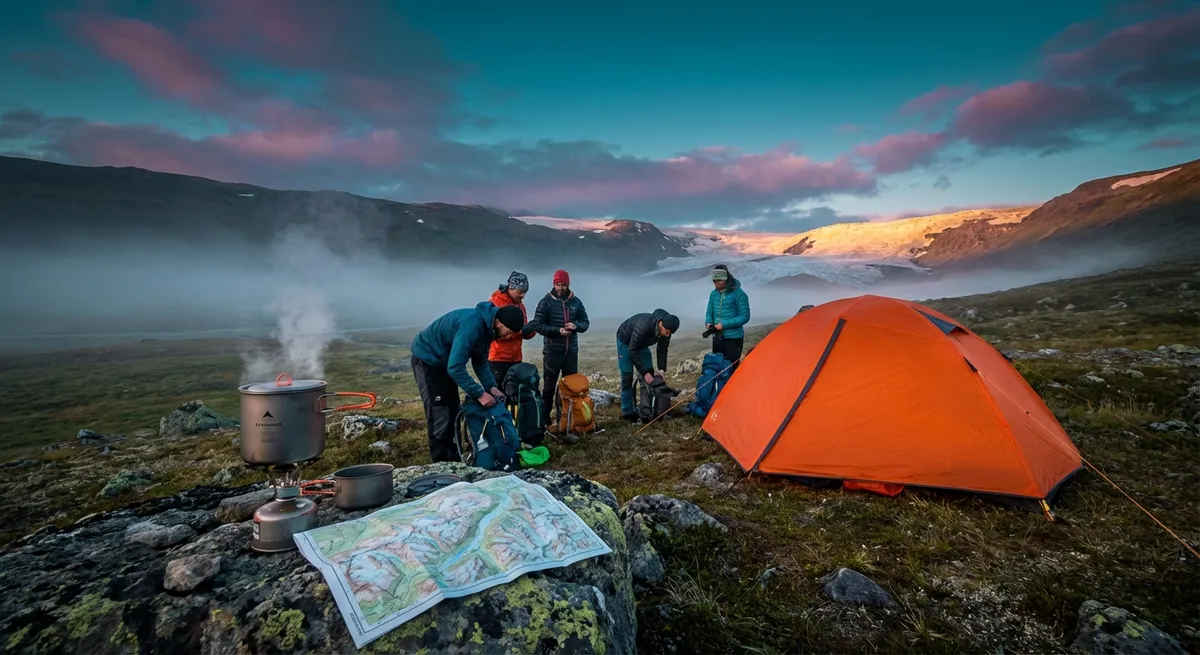
The first step onto a trail is never just a walk in the woods—it’s a quiet rebellion against routine. The right outdoor gear doesn’t just keep you dry and comfortable; it expands your range, your confidence, and the kinds of adventures you’re willing to say “yes” to. Whether you’re chasing sunrises on alpine ridges or squeezing micro-adventures into busy weeks, dialing in your kit can turn any path into a personal expedition. This guide blends practical gear recommendations, safety essentials, and real-world trail stories to help you build a setup that’s as bold as your trail ambitions.
Build Your Core Kit: The “Always Pack” Essentials
Think of your core kit as the non‑negotiables that live in your pack, whether you’re out for two hours or two days. Season and terrain will shape the extras you bring, but these basics form your safety net when plans shift—because on real trails, they always do.
Start with a reliable daypack in the 18–28 liter range for most hikes. Look for a supportive hip belt, load lifter straps, and ventilation on the back panel; those details matter after mile six when sweat and gravity gang up on you. Brands like Osprey, Deuter, and Gregory offer women’s and men’s specific fits that can be custom-adjusted for all‑day comfort.
Next, layer your systems. A moisture‑wicking base layer (merino or synthetic), an insulating midlayer (fleece or lightweight puffy), and a waterproof-breathable shell are the backbone of comfort in unpredictable weather. Even on seemingly perfect days, tossing in a light wind shell and beanie can make the difference between watching a sunset from a ridge or turning back shivering from a gusty saddle.
Footwear is your foundation. Trail runners (from brands like Altra, Salomon, or HOKA) excel on well-groomed paths and fast missions; mid-cut hiking boots with substantial lugs and ankle support earn their keep on rocky, rooty, or wet terrain. Pair them with synthetic or merino socks—cotton traps moisture and invites blisters. Round out your core kit with: a headlamp (with fresh batteries), small first-aid kit, fire starter, knife or multitool, emergency blanket, and at least one backup nav method (map/compass, offline GPS app, or both).
The Big Three: Footwear, Pack, and Shell
If you only optimize a few pieces of gear, make it these three—they affect every minute you’re moving.
Footwear: Think about terrain, distance, and load. For a lightweight weekend pack and mostly dry trails, trail runners or low-cut hikers offer agility and comfort at the cost of some protection. For technical, wet, or off-trail travel with a heavy pack, stiffer-soled boots with rock plates and toe caps shine. Don’t overlook fit: shop later in the day when your feet are slightly swollen, and leave a thumb’s-width in the toe box to handle downhill descents.
Pack: Your pack should disappear on your back. Try on multiple models with weight inside—most outdoor shops will add sandbags—so you can feel how the suspension handles a load. For longer trips, look for trekking pole attachment points, accessible hip belt pockets, and side pockets that can actually be reached while you’re wearing the pack. A poorly fitting pack turns even stunning trails into grinding slogs; a well-fitted one makes 10 miles feel like 6.
Shell Jacket: Your outer layer is your mobile shelter. A lightweight, packable rain shell with taped seams and a solid DWR (durable water repellent) finish is worth the grams even on “clear” days. For shoulder seasons or mountain regions, prioritize a hood that fits over a hat or helmet, pit zips for venting, and cuffs that seal out wind. A minimalist shell can be the only thing between you and hypothermia when sunny forecasts turn into sideways rain at elevation.
Weather-Proof Layers: Dressing for Real-World Conditions
The outdoors never reads the forecast. Dressing in adaptable systems instead of single “perfect” pieces keeps you moving when conditions shift.
Start with base layers that move sweat away from your skin. Merino wool shines for multi-day trips thanks to its natural odor resistance and temperature regulation, while synthetic options dry faster and often cost less. Avoid cotton next to skin—it stays wet, cools you down, and chafes.
Your midlayer is your thermostat. Lightweight fleece pullovers, grid-style hoodies, or synthetic puffies provide quick warmth and can be thrown on during rest breaks to prevent post-hike chills. In wet climates, synthetic insulation (like PrimaLoft) retains warmth better than down when damp; in cold, dry environments, down offers unmatched warmth-to-weight, but must be protected from sustained moisture.
Don’t forget accessories: a buff or neck gaiter that doubles as a headband, thin gloves that still allow you to manipulate zippers and phone screens, and a brimmed cap for sun or light rain. On shoulder‑season hikes or above treeline, a compact pair of wind pants can radically improve comfort when gusts or graupel roll in. The more dialed your layers, the more willing you’ll be to keep exploring when everyone else is racing back to the car.
Hydration, Nutrition, and Trail Fuel That Actually Works
Every epic viewpoint and ridge traverse is powered by something simple: water and calories. Underfueled hikers make poor decisions, get cold faster, and are more prone to injuries and mood crashes.
Hydration bladders (2–3 liters) with a bite valve allow you to sip consistently rather than guzzling at long intervals. For winter, insulated hose covers help prevent freezing; in desert heat, consider supplementing water with electrolyte tablets or powders to replace lost sodium and minerals. Hard bottles (like Nalgene-style or collapsible soft flasks) still have their place—especially on trips where water treatment or mixing powders is key.
On the food front, aim for a mix of complex carbs, healthy fats, and some protein every 60–90 minutes on longer days. Trail mixes with nuts and dried fruit, nut butter packets, energy bars, jerky, and tortillas with cheese or hummus all travel well. For overnights, lightweight backpacking meals or DIY couscous/rice bowls that just need boiling water are both efficient and satisfying.
Stash an “emergency ration” in your pack—extra bars or a high-calorie meal you never touch unless things go sideways and you’re out longer than planned. That hidden reserve can buy you clear thinking when navigation mistakes or sprained ankles turn a day hike into an unplanned bivy.
Navigation, Safety, and Smart Risk-Taking
Adventure is about pushing your edges, not blowing past them. Good gear lets you take smarter risks, not reckless ones.
Redundancy is your friend in navigation. Carry at least two nav systems: a paper topo map and compass (and the skills to use them), plus a fully charged phone with an offline mapping app (like Gaia GPS, AllTrails, or similar). While dedicated GPS units add another layer of reliability, never assume a single device equals safety—electronics fail, batteries drain, and screens crack.
In your safety kit, include: a compact first-aid kit tailored to your needs (blister treatment, pain relievers, bandages, antiseptic wipes, any personal meds), a whistle, a signal mirror, a lighter plus backup waterproof matches, and a compact emergency bivy or blanket. For remote or low-traffic trails, consider a satellite communicator or PLB (Personal Locator Beacon) from brands like Garmin or ACR; one button can turn a bad night into a survivable rescue.
Practice conservative decision-making: set a turnaround time before you leave, watch the sky and wind, and be willing to change objectives when conditions shift. The mountains and deserts will still be there next weekend; pushing on into thunderheads, whiteouts, or real exhaustion is rarely worth what you’re risking.
Real Trail Stories: When Gear Makes the Difference
Picture a shoulder-season ridge line in the Rockies. Morning starts warm, trail dusty, spirits high. A pair of friends pack light—shorts, light tops, a single shared water bottle—because the forecast promised clear skies. Three hours in, clouds stack on the horizon faster than expected. The wind picks up. Rain needles sideways, temps dive, and the track muds out. With no shells, limited water, and fading light from storm cover, they backtrack in a shivering, tense jog, reaching the car with fingers numb and nerves rattled. The summit will have to wait—but it was a close call.
Now, contrast that with another duo on a coastal trail. They’d prepped for “variable” conditions: each with a fitted daypack, lightweight shells, warm layers, 2 liters of water, headlamps, and an emergency bivy. Midway along a cliffside segment, fog rolls in thick and fast, reducing visibility to a few meters. The trail blurs. Instead of panicking, they slow down, check their downloaded GPS track against the physical map, and accept that they’ll be hiking back by headlamp. Warm, dry, and steadily snacking, they navigate the mist, eventually emerging onto the beach in the blue hour, tired but calm—and oddly exhilarated by having handled the unexpected.
Both groups started with the same intention—“just a day hike.” The difference was gear and mindset. Being prepared doesn’t dampen adventure; it gives you the confidence to lean into it, knowing you’ve built a margin for surprises.
Trail-Tested Tips for Pushing Your Adventures Further
Once your core kit is solid, a few habits and upgrades can unlock bigger, bolder days outside:
- Start small but intentional. Treat easy local trails as gear shakedowns. Try new socks, dial in pack fit, and test snacks to see what your body actually likes at mile 7.
- Practice skills before you need them. Use your compass on a well-marked trail. Set up your stove and filter at home. Test your rain gear in a backyard downpour. Familiarity saves time and stress in the field.
- Upgrade strategically. Replace the gear that impacts comfort and safety first: footwear, pack, shell, sleeping system. A top-tier jacket is more valuable than three novelty gadgets.
- Season-proof your kit. Keep a dedicated “grab and go” bin for shoulder-season additions: microspikes, warmer gloves, extra beanie, thicker sock pair, and a small thermos for hot drinks.
- Plan for the least-experienced member. Pace, distance, and difficulty should match the greenest hiker in your group. Gear checks and safety talks at the trailhead can prevent a cascade of problems later.
- Leave a clear trip plan. Note your route, expected return time, participants, and any bailout points. Share it with someone who knows not to panic early, but also won’t ignore a real delay.
Each time you refine your setup and sharpen your skills, you push the perimeter of what feels possible—sunrise summits, off-season explorations, or multi-day traverses that once felt out of reach.
Conclusion
Every piece of outdoor gear you carry is a quiet promise: that you’ll respect the terrain, the weather, and your own limits while still chasing the wild edges of your comfort zone. The right boots let you trust your footing over slick roots; the right shell keeps you out to watch storms roll by from a safe, dry perch; the right safety kit means you can say “let’s see what’s around that next bend” with a clear head instead of a nagging worry.
Adventure doesn’t require the most expensive setup—just a thoughtful one. Start with a solid core kit, build skills alongside your gear, and let each trail teach you what to tweak for the next. Out there, beyond the trailhead and the last cell bar, your preparation becomes freedom. Pack smart, move with intention, and let the world open up, one well-equipped step at a time.
Sources
- National Park Service – Hiking Basics - Covers fundamental safety, planning, and gear considerations for day hiking in U.S. national parks
- American Hiking Society – Ten Essentials - Details the core items every hiker should carry for safety and preparedness
- REI Co-op Expert Advice – How to Choose a Daypack - In-depth guide on selecting and fitting a hiking daypack, including capacity and features
- Harvard T.H. Chan School of Public Health – Water & Hydration - Evidence-based overview of hydration needs and considerations for active people
- Centers for Disease Control and Prevention – Safe Hiking - Government guidance on hiking safety, environmental hazards, and preparedness