
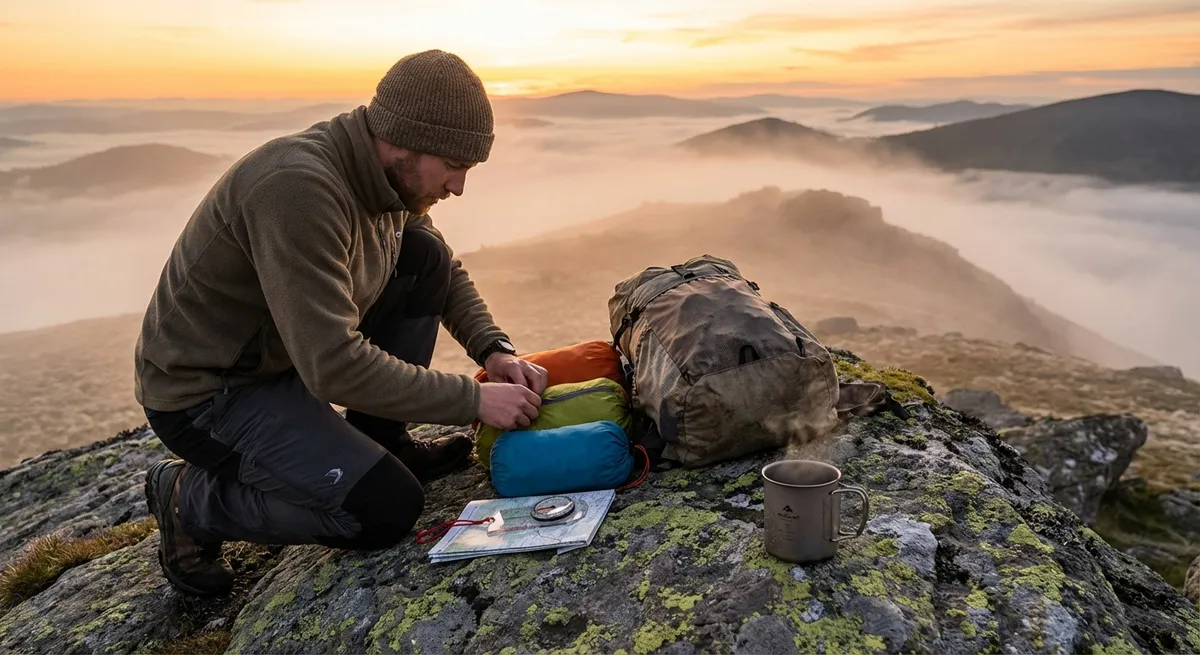
The best outdoor gear doesn’t just sit in your closet—it earns its scars one ridge, one storm, one sunrise at a time. On TrailNux, we don’t chase shiny objects; we chase the kind of equipment that disappears on your back until the moment you really need it. This guide is your trail-tested companion: part gear breakdown, part safety briefing, part campfire story from the edge of the map.
Whether you’re planning a weekend escape into the pines or pushing into remote alpine country, these tips and tales will help you travel lighter, move smarter, and come home with the kind of stories you can’t buy at an outfitter.
Building a Trustworthy Kit: The Gear That Earns Its Keep
Good gear turns survival into adventure—but only if every piece has a job. Think of your kit as a small, well-trained team: no passengers, only contributors.
Start with your “big three” for non-winter adventures: pack, shelter, and sleep system. A framed pack between 35–50 liters forces you to pack intentionally while still carrying multi-day essentials. Look for padded hip belts that actually transfer weight, breathable back panels, and simple, durable fabrics over complicated gimmicks. Your pack should disappear when you’re moving, not turn into a portable rummage sale.
For shelter, a lightweight, double-wall tent or trekking-pole shelter strikes a sweet spot between weight and weather protection. Prioritize a robust floor, reliable zippers, and solid stake-out points—you’ll appreciate them when the wind tries to peel your camp off the hillside at 2 a.m. Pair this with a temperature-appropriate sleeping bag or quilt and an insulated sleeping pad; comfort and insulation under you matter as much as the rating of the bag around you.
Round out your core kit with a compact stove (or a cold-soak setup if you’re going ultralight), a headlamp with a lockout mode, and a simple repair kit: tape, a spare buckle, safety pins, and a small sewing kit. It’s not glamorous gear, but it’s the kind that quietly saves trips from unraveling.
Wear the Weather: Clothing Systems That Adapt on the Move
Weather in the backcountry is less a condition and more a character—unpredictable, moody, sometimes hostile. Your clothing needs to adapt faster than the sky can change.
Instead of chasing “the perfect jacket,” build a layering system. Start with a moisture-wicking base layer (synthetic or merino wool) to pull sweat off your skin. Add a mid-layer—like a fleece or lightweight synthetic puffy—for warmth. Top it with a windproof, waterproof shell that actually vents; pit zips or two-way front zippers are worth every gram when you’re climbing hard in a drizzle.
On your legs, breathable hiking pants or durable trail tights with some stretch beat heavy, restrictive fabrics. Skip the bulky insulated pants for three-season trips and bring a lightweight thermal bottom you can sleep in or slip under your pants when temps drop.
Footwear is personal, but the terrain decides more than trends do. On well-maintained, dry trails, trail runners with grippy soles can be a revelation—lighter feet mean less fatigue and more miles. In rocky, wet, or snowy terrain, supportive boots with real ankle structure and reliable waterproofing can save you from rolled ankles and soaked, blistered feet. Whatever you choose, test them on local trails with a loaded pack before trusting them on a big route.
Treat your clothing like a system, not a fashion statement. The goal is comfort through change: from cold dawn to sweaty switchbacks to wind-whipped summits and back again.
Smart Safety: Navigation, Communication, and Emergency Essentials
Adventures feel wild; planning needs to be anything but. Good safety habits don’t shrink the adventure—they increase your margin for wonder.
Start with navigation redundancy. Paper map and compass are still king when batteries die and screens crack. Study your route before you go: trail junctions, bailout points, reliable water sources, elevation changes. Add a GPS watch or phone-based mapping app with offline maps pre-downloaded. If you’ll be remote, a satellite messenger or personal locator beacon (PLB) offers SOS capability and simple check-in messaging when cell service disappears.
Your emergency kit should be compact but deliberate. Include:
- A small, organized first-aid kit (bandages, blister care, pain relief, antiseptic, any personal meds)
- Fire-starting redundancy (lighter, stormproof matches, and a small fire starter)
- A compact emergency bivy or space blanket
- A whistle and a backup light source
- A small water treatment backup (chemical tablets even if you usually use a filter)
Before the trip, leave a trip plan with someone you trust: where you’re going, your route, who’s with you, when you intend to be back, and when to call for help if you’re overdue. It feels formal—until the day you really need someone to raise the alarm.
Wild places demand respect. Gear helps, but judgment is the real safety tool. If weather turns, if a river looks angry, if a scramble feels beyond your comfort—turning around is not failure; it’s an investment in every future adventure you haven’t had yet.
Fuel the Engine: Food, Water, and the Art of Sustainable Energy
Your body is your most important piece of gear. Treat it like the ultralight machine it is.
For food, think in terms of energy density, simplicity, and morale. Nut butters, trail mixes, tortillas with cheese or cured meats, instant grains (like couscous or quick rice), and dehydrated meals all pack serious calories for their weight. Aim for a mix of carbs for quick energy and fats for slow-burning endurance. Toss in a few “spirit” foods—your favorite chocolate, a special snack—little psychological boosts when the climb feels endless.
Hydration deserves more planning than just “carry a bottle.” Research water sources ahead of time and carry at least two ways to treat water—like a hollow-fiber filter and chemical backup. In dry or high-altitude environments, your water carry might be your heaviest item; plan your mileage around safe, predictable refills rather than wishful thinking.
Electrolytes stave off cramping and fatigue on hot, high-output days. Simple drink mixes or salt-based snacks keep your system in balance. Sip steadily instead of chugging only when you feel thirsty—that feeling can lag behind actual dehydration.
Remember: you can “pack too light” in the nutrition department. Hungry, under-fueled hikers make poor decisions. Feed the adventure if you want it to feed you back.
Story from the Trail: A Storm, a Stove, and a Lesson in Preparedness
On a shoulder season trek high above treeline, two TrailNux contributors set out for what was supposed to be a mellow three-day ridge walk. Forecast: partly cloudy, mild winds, maybe a sprinkle. Reality: mountain weather, uncaring as ever.
By late afternoon on day one, the sky darkened as if someone dimmed the world. They were still above the last good campsite, seduced forward by the promise of a “better view” just ahead. When the storm hit, it came sideways—wind so strong they had to shout to hear each other, rain turned to needling sleet.
What kept the trip from becoming an epic rescue story wasn’t heroics; it was gear choices and habits made long before that storm. Their shelter pitched tight and low with extra guylines, a solid tent that didn’t flap itself into oblivion. Their headlamps were easily reachable in their hip belt pockets when the world went dark an hour early. Their stove fired up inside the tent vestibule, sheltered but vented, with enough fuel to melt sleet into precious hot drinks. Emergency layers they’d almost left at home turned a borderline situation into a bearable night.
The lesson they carried down that ridge: the best stories aren’t about avoiding risk entirely—they’re about stacking the odds in your favor so that when the wild reminds you who’s in charge, you can ride out the moment and still appreciate the lightning dancing across distant peaks.
Gear won’t make you invincible. But the right kit, chosen with humility and intention, turns the same storm that ends one person’s trip into another’s treasured memory.
Leave No Trace and Leave It Better: Ethical Gear Choices
Adventure is a privilege, and so is the wild canvas we move through. The gear you carry shapes not just your comfort, but your impact.
Start with durability. A well-made jacket that lasts a decade beats three cheaper ones tossed after a season. Look for companies with transparent repair policies and consider learning simple fixes yourself—patching holes, re-sealing seams, replacing broken buckles. A small repair kit weighs little but keeps gear in circulation and out of landfills.
Consider materials and production. Many brands now offer gear made with recycled fabrics or bluesign-approved materials, and some list their supply chain practices openly. You don’t need to overhaul your kit overnight, but when replacing or upgrading, let sustainability be part of the equation.
Finally, pair your gear choices with Leave No Trace practices: durable footwear that doesn’t encourage shortcutting trails, camp stoves that reduce fire risk and scars, bear-resistant food storage where required. The best outdoor kit isn’t just trail-ready—it’s planet-respectful.
Conclusion
Every piece of gear you carry is a promise—to yourself, to your trail partners, and to the land you’re moving through. It promises support when the weather turns, comfort when the miles stack up, and enough safety margin that you can look up from your boots and truly see where you are.
Pack with intention. Train your judgment as diligently as you upgrade your gear. Then step into the wild ready not just to pass through, but to come back with stories etched into your memory, not your scars.
The trail doesn’t care what you’re carrying. But when your kit is dialed, your safety net solid, and your spirit open, it has a way of offering up the kind of moments that change how you see the world—and yourself.
Sources
- [REI Co-op: How to Choose Backpacking Packs](https://www.rei.com/learn/expert-advice/backpacks.html) - Detailed guidance on pack sizing, features, and fit for backpacking
- [Leave No Trace Center for Outdoor Ethics](https://lnt.org/why/7-principles/) - Authoritative explanation of the seven Leave No Trace principles for low-impact travel
- [National Park Service: Hiking Safety](https://www.nps.gov/subjects/trails/hiking-safety.htm) - Official NPS advice on preparation, navigation, and emergency planning
- [American Hiking Society: Ten Essentials](https://americanhiking.org/resources/10essentials/) - Breakdown of the classic “Ten Essentials” for safe hiking and backpacking
- [Mayo Clinic: Dehydration](https://www.mayoclinic.org/diseases-conditions/dehydration/symptoms-causes/syc-20354086) - Medical overview of dehydration, symptoms, and prevention strategies for active individuals