
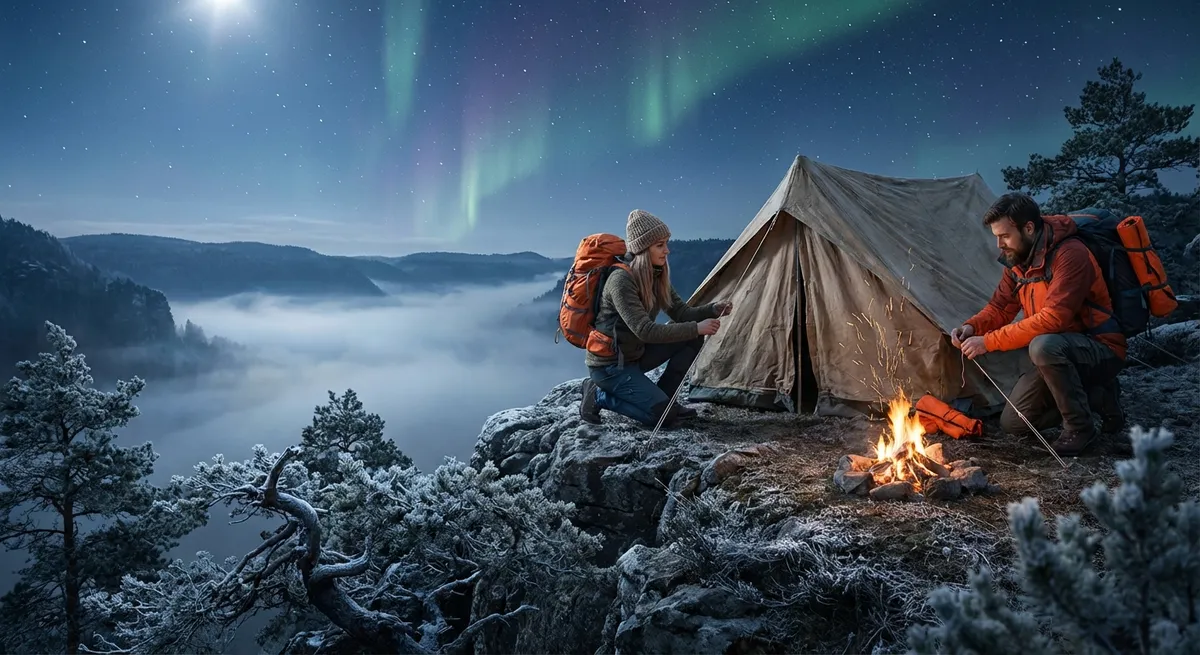
There’s a moment on every great trip when the fire drops to coals, the stars punch through the dark, and you realize: this is why you came. Camping isn’t just sleeping outside—it’s choosing the wild over the comfortable, the unknown over the routine. Whether you’re pitching your first tent or refining your thru-hike kit, these trail-tested tips will help you camp smarter, safer, and bolder—TrailNux style.
Build Your Basecamp: Choosing the Right Gear
Your gear is your mobile home, life-support system, and comfort kit all in one. Invest in pieces that match your terrain, weather, and style of adventure.
Start with a tent that balances weight, durability, and space. For most 3-season trips, a freestanding, double-wall tent with a full rainfly is ideal. Look for aluminum poles, quality zippers, and reinforced stress points. If you’re backpacking, aim for 2–4 lbs per person; for car camping, weight matters less than comfort and interior room.
Sleeping systems are where many new campers go wrong. Pair an insulated sleeping pad (R-value appropriate for your coldest expected night) with a quality sleeping bag or quilt. Don’t chase the lowest temperature rating blindly—those ratings assume you’re wearing base layers and using a pad. If you’re a cold sleeper, pick a bag rated 10°F (about 5°C) lower than the coldest temps you expect.
Lighting is your nighttime superpower. A reliable headlamp with multiple brightness settings and a red-light mode (to preserve night vision) should live in your pack, not your car. Bring a backup light—like a small keychain or lantern—for camp chores and emergencies.
Cook systems should match your style: ultralight canister stoves for fast boils, integrated “stove + pot” systems for simplicity, or a sturdy two-burner setup for car-camping gourmet. Always test your stove and fuel at home before a trip so your first lesson isn’t at 10,000 feet in a cold wind.
Finally, treat your backpack like a tool, not a fashion statement. It should fit your torso length, hug your hips (hip belt doing most of the carrying), and ride without hot spots. Load it with 80–90% of your pack weight between your shoulders and hips, keeping dense items close to your spine for stability.
Smart Packing: What to Bring and What to Leave Behind
Every extra ounce in your pack is a choice. Your goal isn’t to bring everything—it’s to bring what matters most.
Start with the “Ten Essentials”: navigation (map/compass or GPS), headlamp, sun protection, first-aid kit, knife/multi-tool, fire (matches/lighter + backup), shelter (bivy, emergency blanket, or tent), extra food, extra water, and extra layers. These items aren’t optional—they’re your safety net.
Think in systems:
- Sleep system: tent, poles, stakes, footprint/groundsheet, sleeping bag, sleeping pad.
- Cooking & food: stove, fuel, lighter/matches, pot, spork, mug, food bag, odor-resistant bags or bear canister where required.
- Water system: bottles or bladder (2–3 liters capacity), filter or purifier, backup purification tablets.
- Clothing system: moisture-wicking base layers, insulating mid-layer (fleece or puffy), waterproof shell, spare socks, hat, and gloves—even in summer at altitude.
Resist the “just in case” trap. Do you really need multiple knives, three hoodies, or that extra pair of jeans? Probably not. But do not skimp on warmth layers, rain protection, or first-aid supplies—you’ll feel every corner you cut when the weather turns.
Pack items by frequency of use. Snacks, map, rain jacket, and water should be easily accessible. Sleep gear and spare clothes can live deep in the pack. Use dry sacks or trash compactor bags as pack liners to keep critical items dry in a downpour.
Camp Like a Pro: Site Selection and Setup
A great camping night starts with where you drop your pack. Your campsite should be safe, low-impact, and positioned to ride out surprises from wind, water, and wildlife.
Choose durable surfaces such as established sites, gravel, rock, or dry, compact soil. Avoid fragile meadows and cryptobiotic soil (dark, crusty living soil in desert environments). If you’re off-trail, camp at least 200 feet (about 70 adult paces) from lakes and streams to protect water sources and local wildlife.
Scan the ground and the sky. Look up for “widowmakers”—dead branches or trees that could fall in a storm. Look around for drainage channels; a flat depression might look cozy, but it can turn into a shallow pond in a midnight thunderstorm. Slightly elevated ground with a gentle slope is often ideal.
Pitch your tent with the narrow end facing into the prevailing wind for stability, and use all the guy lines if weather is questionable. Tension the fly so it doesn’t touch the tent body to reduce condensation drips. Stake corners at 45 degrees, and double-check each anchor before dark.
Design a “camp flow”: cooking area downwind and away from your tent; bathroom area even farther away and downhill from water; food storage area in a secure location (bear canister, bear hang, or campground locker where required). Think of your camp as a small village with designated zones—it keeps things organized and safer.
TrailNux Stories: Lessons from the Wild
On a late autumn night in the Rockies, two TrailNux readers—Maya and Eli—pushed a little farther than planned. Dusk turned to dark as the temperature plummeted. They reached a lake that looked perfect in the fading light and rushed into setup mode.
Where they went wrong: they pitched their tent right in a low, flat spot near the shoreline because it “looked cozy.” At 2 a.m., a storm rolled through. Snow turned to sleet, and runoff funneled directly under their tent footprint. Their sleeping pads kept them out of the worst of it, but the tent bathtub floor slowly pooled with icy water.
Where they went right: they had tested their gear earlier in the season, sealed the tent seams, and packed dry bags for their sleep system. Their bags stayed dry enough, and they had extra base layers to change into. Exhausted but safe, they waited out the storm and, at first light, could see the drainage channels they had completely missed in the dark.
Their debrief became a TrailNux mantra: “Slow is strong, early is safe.” Start looking for camp before dusk. Take five extra minutes to study the ground, the slope, and the sky. That small pause can mean the difference between a miserable night and a story you’re excited to tell.
Another TrailNux regular, Luis, learned a different lesson on a coastal trek. He used to bring heavy coolers, glass bottles, and multiple changes of clothes. After one brutal, sandy slog over dunes, he cut his base weight nearly in half: swapped cotton for synthetics, replaced his bulky tent with a lighter model, and trimmed his toiletry kit to the essentials. His verdict after the first lean-and-light trip: “I didn’t just walk farther. I noticed more—the sunsets, the wind, the smell of the pines—because I wasn’t fighting my pack.”
The trail has a way of turning small mistakes into big lessons. Listen to it.
Fire, Food, and Clean Campcraft
Few things feel as primeval—and as powerful—as tending a campfire. But in many places, it’s a privilege, not a right. Always check fire regulations before your trip: seasonal bans, red-flag warnings, and local rules change frequently.
If fires are allowed, use established fire rings. Gather only downed, dead wood no thicker than your wrist, and never strip live trees. Keep fires small and manageable; flames licking at overhead branches or blasting heat at nearby logs are an alarm bell.
More important than lighting a fire is putting it out cold. Drown, stir, feel, repeat. Add water and stir the ashes until they’re cool to the touch—no warmth, no hissing, no glowing embers. A single unattended ember in dry conditions can spark a wildfire.
For cooking, many backcountry areas now recommend camp stoves instead of open fires. Stoves are faster, cleaner, and leave almost no trace. Practice safe stove use: cook on stable, level ground, clear away duff and leaves, and never operate inside a tent or enclosed space where carbon monoxide can accumulate.
Store food like the wild animals are smarter than you—and they are. In bear country, follow local guidance: use bear canisters, food lockers, or proper bear hangs at least 10–15 feet off the ground and 4 feet from the trunk. Even outside classic bear regions, raccoons, rodents, and foxes are masters of the midnight raid. Never store food, snacks, or scented items (toothpaste, deodorant, chapstick) in your sleeping area.
A clean camp is a safer and more beautiful one. Pack out all trash, including micro-trash like twist ties, food corners, and used wet wipes. Strain dishwater to catch food scraps, and scatter the graywater 200 feet from camp and water sources. Your future self—and other campers—will thank you.
Safety in the Wild: Weather, Wildlife, and Navigation
Adventure is about dancing with risk, not ignoring it. A few deliberate habits can push the odds heavily in your favor.
Before you leave, share your plan: start point, route, campsites, and return time. Leave it with someone who will notice if you’re overdue and know how to contact local authorities if needed. In areas with limited cell signal, consider a satellite messenger or PLB for true emergencies.
Weather deserves respect. Check forecasts from multiple reputable sources, then pack for conditions one level worse than predicted. Storms build fast in mountains and deserts alike. Learn simple cloud and wind cues: dark, towering cumulonimbus clouds, rapidly dropping temperatures, or sudden gusts can all signal incoming trouble. Be ready to bail from summits, ridgelines, and exposed areas when thunder threatens.
Wildlife awareness starts with distance and respect. Observe animals from afar, never feed them, and store food properly. Know the difference between black and grizzly bears if you’re in their territory and understand regional guidance for encounters. In snake country, watch where you step and place your hands—especially near rocks, logs, and tall grass.
Navigation is your lifeline, even on well-marked trails. Carry a paper map and compass, and know the basics of using them. GPS apps and devices are fantastic tools, but batteries die and screens break. Check your position regularly rather than waiting until you’re unsure. When in doubt, stop, think, observe, and plan—don’t just press forward hoping it “feels right.”
Finally, listen to your body. Blisters, dehydration, altitude sickness, and hypothermia start subtle. Address hot spots on your feet immediately, drink water steadily, snack often, and add layers before you feel truly cold. Strength in the backcountry isn’t about ignoring discomfort—it’s about managing it early.
Leaving No Trace and Finding More Meaning
The best campers aren’t the ones with the fanciest gear—they’re the ones who can disappear into a landscape and leave it looking untouched. Practicing Leave No Trace isn’t a chore; it’s part of the adventure. It connects you to something bigger than your single trip.
Travel and camp on durable surfaces, dispose of waste properly, respect wildlife, and be considerate of other visitors. Bury human waste 6–8 inches deep, at least 200 feet from water, trails, and camp. In high-use or delicate areas where catholes aren’t appropriate, use and pack out human waste bags where required.
When you make low-impact choices—using a stove instead of a new fire ring, staying on trail instead of shortcutting switchbacks, packing out someone else’s forgotten trash—you’re not just following rules. You’re preserving the wild character that drew you there in the first place.
Camping, at its core, is a practice in simplicity. You trade walls for wind, screens for stars, routines for rituals of fire, water, and sky. With every trip you become more capable, more observant, and more at home outside.
The trail is waiting. Pack smart, tread light, camp bold—and we’ll see you out there.
Sources
- Leave No Trace Center for Outdoor Ethics - Detailed explanation of the 7 Leave No Trace principles and how to apply them when camping and hiking
- National Park Service – Camping Safety Tips - Official guidance on safe camping practices, wildlife awareness, and preparation
- REI Co-op – How to Choose a Sleeping Bag - In-depth breakdown of temperature ratings, insulation types, and fit considerations
- U.S. Forest Service – Campfire Safety - Authoritative instructions on building, managing, and extinguishing campfires responsibly
- American Hiking Society – Ten Essentials - Clear overview of the Ten Essentials and why each item matters for outdoor safety